Get Flat Roof Vent Installation
Local contractors can install or repair flat roof vents to improve airflow, prevent leaks, and address common issues on commercial or residential flat roofs.
Flat roof vent installation is an essential step in maintaining proper airflow and ventilation for properties with flat roofing systems. Ensuring your roof is properly ventilated can help prevent issues such as moisture buildup, mold growth, and premature roof deterioration. Property owners in the area often explore vent installation services to enhance energy efficiency, improve indoor air quality, and protect their investment over time. By considering local contractors who specialize in flat roof vent services, you can find solutions tailored to your specific needs and property type.
Exploring your options for flat roof vent installation involves comparing local service providers to identify experienced and reliable contractors. Many property owners choose to review different options to ensure they select professionals who understand the unique requirements of flat roofing systems. Continuing to read can help you gather the information needed to connect with qualified local experts capable of handling your vent installation project effectively and efficiently.
- Flat Roof Vent Installation - when a building requires proper airflow to prevent moisture buildup and improve energy efficiency.
- Roof Vent Replacement - if existing vents are damaged, outdated, or not functioning correctly, leading to poor ventilation.
- Attic Venting Solutions - in cases where inadequate attic airflow causes insulation damage or temperature issues.
- Commercial Flat Roof Venting - for businesses seeking to maintain a safe and compliant roofing system with effective ventilation.
- Roof Vent Inspection and Assessment - when evaluating the current ventilation system to identify issues and determine necessary upgrades.
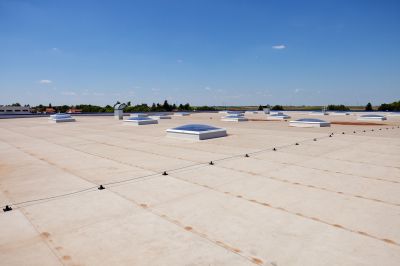

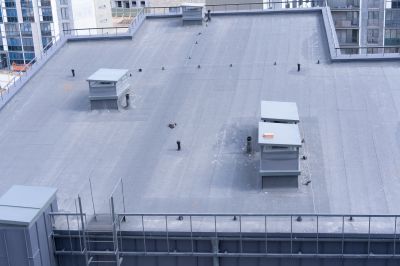
Flat roof vent installation involves fitting specialized vents onto a flat or low-slope roof to ensure proper airflow and ventilation. These vents are designed to allow warm, moist air to escape from the attic or roof space, helping to regulate temperature and reduce humidity levels. Proper installation typically includes assessing the roof’s structure, selecting the appropriate vent type, and securely sealing the vents to prevent leaks. This service is essential for maintaining a healthy roofing system and preventing issues related to poor ventilation.
One of the primary problems that flat roof vent installation helps address is excess moisture buildup, which can lead to mold growth, wood rot, and deterioration of roofing materials. Without adequate ventilation, heat and humidity can become trapped inside the roof space, causing damage over time. Installing vents correctly also helps mitigate the risk of ice dam formation in colder months and reduces the energy costs associated with heating and cooling the building. For property owners experiencing these issues, professional vent installation can be an effective solution.
Flat roof vent installation is commonly used on commercial properties, industrial buildings, and residential structures with flat or low-slope roofs. These types of properties often have large, unobstructed roof surfaces that benefit from effective ventilation systems. Buildings with attics or roof spaces that tend to trap heat and moisture are typical candidates for vent installation. Homeowners noticing signs of poor ventilation, such as excessive heat in the attic, condensation, or mold, may find that this service helps improve overall roof performance and longevity.
Property owners should consider vent installation when their flat roofs show signs of inadequate airflow or moisture problems. It is also a recommended upgrade during roof replacement or repair projects. Properly installed vents not only contribute to the durability of the roof but also support healthier indoor air quality by reducing humidity levels. Local contractors specializing in flat roof services can assess individual property needs and provide tailored solutions to ensure effective ventilation and long-term roof health.
The overview below groups typical Flat Roof Vent Installation projects into broad ranges so you can see how smaller, mid-sized, and larger jobs often compare in your area.
In many markets, a large share of routine jobs stays in the lower and middle ranges, while only a smaller percentage of projects moves into the highest bands when the work is more complex or site conditions are harder than average.
Smaller Repairs - Minor vent replacements or repairs typically cost between $250 and $600. Many routine jobs fall within this range, especially for straightforward fixes on smaller flat roofs.
Mid-Size Installations - Installing new vents or upgrading existing ones generally ranges from $600 to $1,500. Most projects in this category are standard upgrades or replacements on average-sized roofs.
Full Flat Roof Vent Replacement - Replacing all vents during a roof overhaul can cost between $1,500 and $3,000. Larger, more complex projects may push beyond this range, but many fall into this middle tier.
Large or Complex Projects - Extensive vent systems or custom installations can exceed $3,000, with some larger projects reaching $5,000 or more. These are less common and typically involve specialized or high-capacity setups.
Actual totals will depend on details like access to the work area, the scope of the project, and the materials selected, so use these as general starting points rather than exact figures.
Roof Vent Replacement - replacing or upgrading roof vents requires similar skills in roofing, planning, and working with various vent types, making it related to flat roof vent installation.
Skylight Installation - installing skylights involves planning, sealing, and working with roofing materials, which are skills applicable to vent installation on flat roofs.
Roof Inspection and Assessment - assessing flat roofs for damage or ventilation needs involves understanding roofing systems and planning appropriate installation or repair work.
Roof Waterproofing and Coating - applying waterproofing layers requires knowledge of roofing materials and sealing techniques similar to those used in vent installation.
Gutter and Drainage System Installation - installing gutters and drainage systems involves planning and working with roofing structures, paralleling the skills needed for vent setup.
Roof Repair and Patching - repairing flat roofs involves similar planning, sealing, and working with roofing materials, which are essential for proper vent installation.
When comparing service providers for flat roof vent installation, it’s important to consider their experience with similar projects. Homeowners should look for local contractors who have a proven track record of handling flat roof vent installations, as this indicates familiarity with the unique challenges and requirements of such work. Asking about past projects or requesting examples of completed jobs can help gauge a contractor’s expertise and confidence in delivering quality results tailored to flat roofs.
Clear, written expectations are essential for a smooth installation process. Homeowners are encouraged to communicate their specific needs and ask potential service providers to outline the scope of work, materials to be used, and any relevant warranties or guarantees in writing. This transparency helps ensure that everyone is aligned on the project details and reduces the chances of misunderstandings or surprises during the work.
Reputable references and good communication are key factors when choosing local contractors. Homeowners should seek out service providers who can provide references from previous clients, especially those who have had similar flat roof vent projects. Additionally, observing how promptly and clearly a contractor responds to inquiries can indicate their professionalism and commitment to customer service. Overall, the goal is to find local pros who are experienced, transparent, and communicative, ensuring the installation is handled efficiently and to the homeowner’s satisfaction.
Property owners use Flat Roof Vent Installation services for practical projects around their homes and businesses. This guide focuses on everyday jobs and straightforward project options.
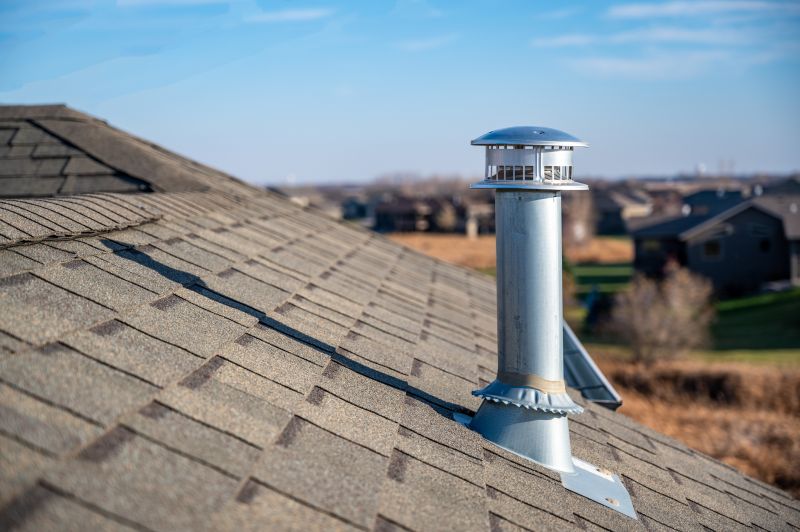
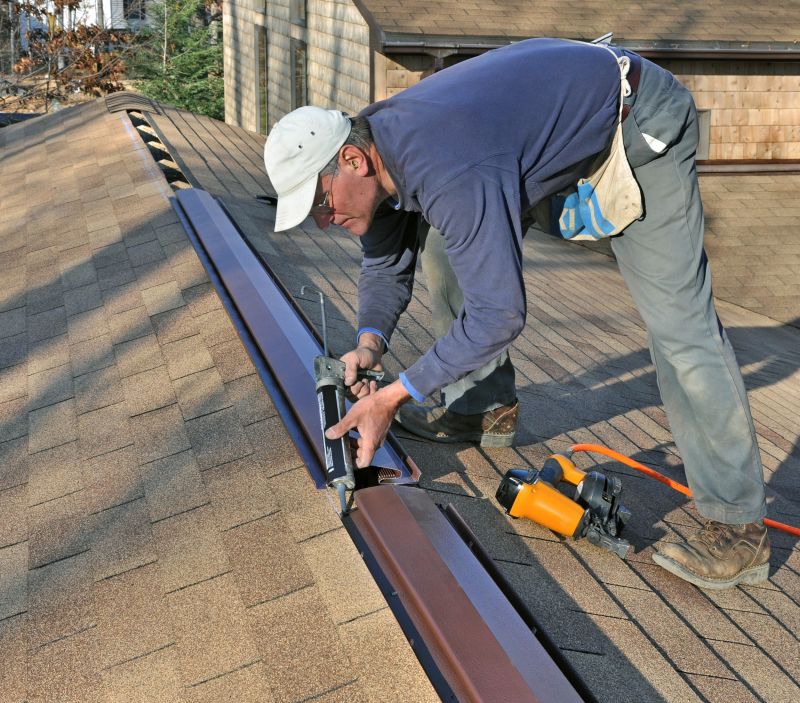
Flat roof vent installation is a common project for property owners dealing with issues like poor ventilation, excess heat buildup, or moisture problems. Many local contractors are called upon to improve airflow and prevent damage caused by trapped moisture or temperature fluctuations. Whether a building is experiencing increased energy costs or signs of roof deterioration, property owners often seek professional vent installation to maintain the integrity and functionality of their flat roofs.
In addition, property owners may need new vents installed during roof renovations or when upgrading existing systems. Local service providers can help ensure the vents are properly placed and sealed to prevent leaks and improve overall roof performance. These projects are typically straightforward and address everyday concerns related to comfort, energy efficiency, and roof longevity.
What are the benefits of installing vents on a flat roof? Proper vent installation helps improve airflow, reduce moisture buildup, and prevent issues like mold or roof damage.
How do I know if my flat roof needs additional ventilation? Signs such as excessive heat buildup, condensation, or persistent mold may indicate the need for improved roof ventilation.
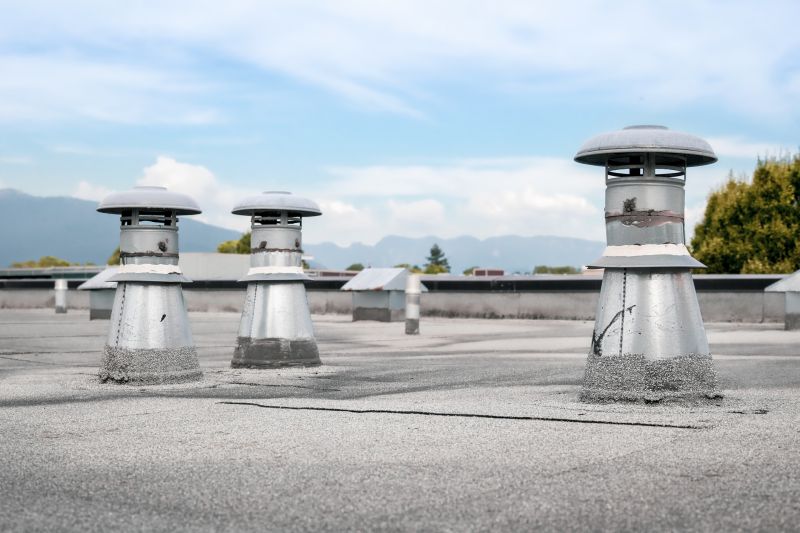
What types of vents are suitable for flat roofs? Common options include ridge vents, soffit vents, and turbine vents, which can be installed based on the roof’s design and ventilation needs.
Can existing flat roofs be retrofitted with new vents? Yes, many flat roofs can be upgraded with additional or improved vents to enhance airflow and roof health.
How do local contractors ensure proper flat roof vent installation? Experienced service providers follow industry best practices to ensure vents are correctly placed and sealed for optimal performance.
Improve ventilation in attic spaces - Installing roof vents can help reduce heat buildup and moisture, protecting the roof structure and enhancing energy efficiency.
Prevent roof damage from weather elements - Proper vent installation allows for better airflow, helping to prevent issues caused by trapped heat and humidity during storms.
Enhance energy efficiency of the property - Proper roof ventilation can assist in maintaining consistent indoor temperatures, reducing strain on heating and cooling systems.
Maintain roof longevity and reduce repairs - Adequate venting helps to prevent moisture accumulation, which can lead to rot, mold, and structural deterioration over time.
If you are thinking about Flat Roof Vent Installation for a property, this guide is meant to help you understand the work, the typical project types, and how different options might fit your plans.
When you are ready, you can use the quote form on this page to share a few details about your project. From there, local pros can review the basics and respond with options that match what you have in mind.