Spring Roof Turbine Installation Services from Local Contractors
Spring is the perfect time for property owners to upgrade ventilation with trusted local contractors specializing in roof turbine installation.
Spring is a popular season for roof turbine installation due to the favorable weather conditions that facilitate safe and effective work. As winter weather recedes, the milder temperatures and reduced precipitation create an ideal environment for contractors to perform inspections, repairs, and installations without the interruptions often caused by snow or heavy rain. Additionally, spring offers property owners an opportunity to prepare their roofs ahead of the more intense summer heat or storm seasons, ensuring proper ventilation and reducing the risk of issues caused by poor airflow or moisture buildup.
Typically, roof turbine installation services include assessing the existing roof structure, selecting appropriate turbine models, and installing the units to optimize roof ventilation. These turbines work by utilizing wind to spin and draw stale or moist air out of the attic or roof space, helping to regulate temperature and moisture levels. The service often involves ensuring proper placement for maximum efficiency, securing the turbines to withstand local weather conditions, and confirming that the installation aligns with the overall roofing system. Properly installed turbines can contribute to the longevity of a roof and improve energy efficiency within the property.
Property owners interested in roof turbine installation can compare local service providers by evaluating their experience, reputation, and the scope of services offered. It’s helpful to seek out contractors who have a thorough understanding of the local climate and roofing styles, as this knowledge can influence the selection and placement of turbines. Reviewing customer feedback and requesting detailed information about the installation process can also aid in making an informed decision. By gathering multiple perspectives from trusted local contractors, property owners can identify the options that best meet their needs and ensure the work is completed to a high standard.
Compare local contractors' expertise and experience to find the best team for your spring roof turbine installation.
- Expert Roof Turbine Installation - Local contractors can ensure proper setup to enhance ventilation.
- Seasonal Inspection and Planning - Spring is an ideal time to assess and prepare roof ventilation systems.
- Quality Materials and Techniques - Service providers use durable components for long-lasting turbine performance.
- Professional Installation Services - Trusted local experts can handle the installation process efficiently and safely.

Before choosing a contractor, clearly describe your roof turbine installation project and compare local service providers.
- Inspect existing roof penetrations to ensure proper sealing for turbine installation. - Verify that the roof surface is in good condition and suitable for mounting a turbine.
- Assess the roof’s pitch and structure to determine the optimal placement for airflow and efficiency. - Ensure the chosen location allows for unobstructed wind flow and secure attachment.
- Check for any nearby obstructions, such as chimneys or vents, that could interfere with turbine operation. - Consider the proximity of trees, wires, or other structures that may impact performance.
- Review the roof’s material to confirm it can support the installation process and the turbine’s weight. - Confirm that the roofing material is compatible with mounting hardware and can withstand seasonal weather changes.
- Examine the roof’s condition for signs of damage or deterioration that might require repairs prior to installation. - Address any existing issues to ensure a secure and long-lasting turbine setup.
- Discuss with local contractors the best practices for flashing and sealing to prevent leaks around the turbine base. - Proper sealing is essential to maintain roof integrity and prevent water intrusion.
Use this as a starting point to explore ideas with local contractors for spring roof turbine installation projects.

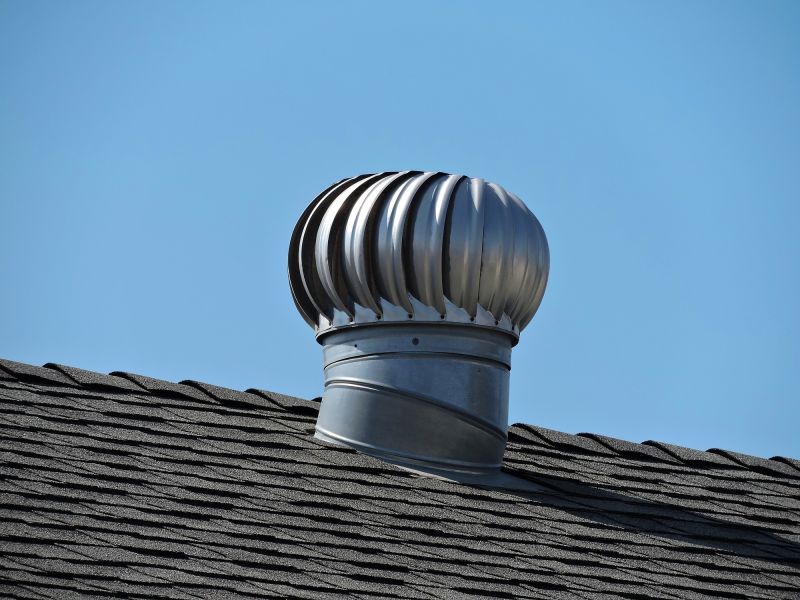


Prioritize your project goals and compare local contractors to find the best fit for your spring roof turbine installation.
- Roof Turbine Installation - Spring is an ideal time to upgrade or install roof turbines to improve attic ventilation and enhance energy efficiency. Local contractors can assess roof structure and recommend suitable turbine options for your home. Proper installation by experienced service providers ensures optimal performance and durability. Planning a roof turbine project in spring helps prepare your home for the warmer months ahead. Connecting with local pros can facilitate a smooth and effective installation process.
Compare different local contractors' approaches to roof turbine installation to ensure consistent quality and service.
- Assessment of Roof Turbine Placement - Determine optimal locations for turbines to ensure effective ventilation and proper airflow.
- Material Compatibility - Verify that turbine components and mounting hardware are suitable for the existing roof structure and weather conditions.
- Weatherproofing and Sealing - Ensure proper sealing techniques are planned to prevent leaks around turbine bases and flashing areas.
- Structural Support Requirements - Identify any additional support or reinforcement needed to securely install roof turbines.
- Compliance with Local Building Codes - Confirm installation plans adhere to relevant building regulations and standards for roof-mounted equipment.
When evaluating service providers for roof turbine installation during the spring season, it is important to consider their experience with similar projects. Homeowners should seek out local contractors who have a proven track record of successfully completing roof ventilation systems, particularly those involving turbines. An experienced professional will be familiar with the nuances of different roof types, weather considerations, and seasonal challenges that can impact installation quality and durability. This knowledge helps ensure the project is handled efficiently and meets the specific needs of the home and its roofing structure.
Clarity in the scope of work is essential when comparing local contractors for roof turbine installation. A detailed, written description of the project should outline the number of turbines to be installed, the materials to be used, and any preparatory or finishing work involved. Clear scope documentation helps prevent misunderstandings and sets realistic expectations for the project. Homeowners are encouraged to ask service providers to specify what is included and excluded from their proposed work, ensuring that everyone is aligned before any work begins.
Work planning considerations are also a key factor in evaluating local pros for springtime projects. Spring weather can be unpredictable, so it is beneficial to understand how contractors plan to accommodate variable conditions. Experienced service providers will have strategies for scheduling work around rain or wind and will consider the best times for installation to ensure safety and quality. Additionally, discussing how the project will be coordinated with other ongoing home maintenance tasks can help streamline the process and minimize disruptions during the spring season.
Finally, when comparing options, homeowners should focus on assessing the professionalism and approach of each service provider. This includes evaluating their communication clarity, responsiveness to questions, and willingness to provide detailed project descriptions. It is also helpful to consider their recommendations for site preparation, safety measures, and post-installation care. By thoroughly reviewing these aspects, homeowners can select a local contractor that aligns with their project goals and ensures a smooth and successful roof turbine installation during the spring.
Request written details to ensure clear scope and expectations when planning your spring roof turbine installation.
- Experience and Expertise - How do local contractors' experience levels compare for roof turbine installation projects?
- Scope of Services - What specific tasks and services are included when comparing different providers' roof turbine installation offerings?
- Material and Equipment Quality - How do the materials and equipment used by local service providers differ in quality and durability?
- Installation Techniques - What installation methods do local contractors employ to ensure proper functioning and longevity of roof turbines?
- Warranty and Support - What warranty options and support services do providers offer after the installation is complete?
What is a roof turbine and how does it work? A roof turbine is a ventilation device installed on the roof that uses wind to spin and help circulate air in the attic, reducing heat buildup and moisture.
Why consider installing a roof turbine during spring? Spring is a good time to improve attic ventilation before the warmer months, helping to prevent heat and humidity issues that can affect roof longevity and indoor comfort.
Are roof turbines suitable for all types of roofs? Roof turbines can be installed on most residential roof types, but it's best to have local contractors assess compatibility and proper placement.
What are the benefits of installing a roof turbine? Proper roof turbine installation can enhance attic airflow, reduce cooling costs, and help maintain a balanced roof environment by preventing excess heat and moisture buildup.
How do local contractors typically install roof turbines? Experienced service providers usually secure the turbine to the roof, ensure proper sealing, and confirm optimal positioning for effective ventilation.
What should be considered before installing a roof turbine? It’s important to evaluate the roof’s structure, existing ventilation needs, and the best location for the turbine to maximize airflow and performance.
This page has provided an overview of roof turbine installation, highlighting the importance of proper setup for effective ventilation and roof health. Visitors have learned about the role these turbines play in maintaining airflow, especially during seasonal changes, and how choosing the right local contractors can ensure the job is handled professionally. Spring is a great time to consider these upgrades as part of seasonal roof care and refresh projects.
To explore options tailored to specific needs, visitors are encouraged to use the quote form to compare local service providers. Connecting with experienced local contractors can help find solutions suited to individual roof systems and seasonal planning. Taking this step can support making informed decisions for your spring roofing projects.
Providing clear details about your roof turbine installation helps local contractors understand your project needs effectively.
- Installation Experience - details about the installer’s experience with roof turbine systems.
- Material Preferences - information on the types of turbines or materials preferred for the project.
- Roof Details - specifics about the roof type, age, and any existing ventilation needs.
- Project Goals - description of the desired outcomes or improvements sought through turbine installation.